I used to have my website as a display and archive of my complete works. I stopped enjoying it being just that, there was more pressure and it was essentially for others more than for me. It makes sense, and it’s okay if it serves a purpose. But it’s simply not what suited me anymore. I wanted a website that felt alive, fluid, moldable, unfinished.
Yes, unfinished.
It took me some time to realise that there is nothing wrong with letting an idea grow or change my mind on something, and that editability is actually a good thing. It’s one of the selling points of the web1. So, on this website, there is nothing final, what I publish always has room for growth, review, and expansion.
For a long time I felt hesitant to share what I write and what I think, precisely because I see myself learning and re-thinking or rabbit-holing deep on things a lot, so that soon my ideas evolve and might end up becoming something else.
“I knew who I was this morning, but I’ve changed a few times since then.”
Lewis Carroll, Alice in Wonderland
If I’m always changing, growing, evolving, I guess it makes sense for my website to be the same, right?
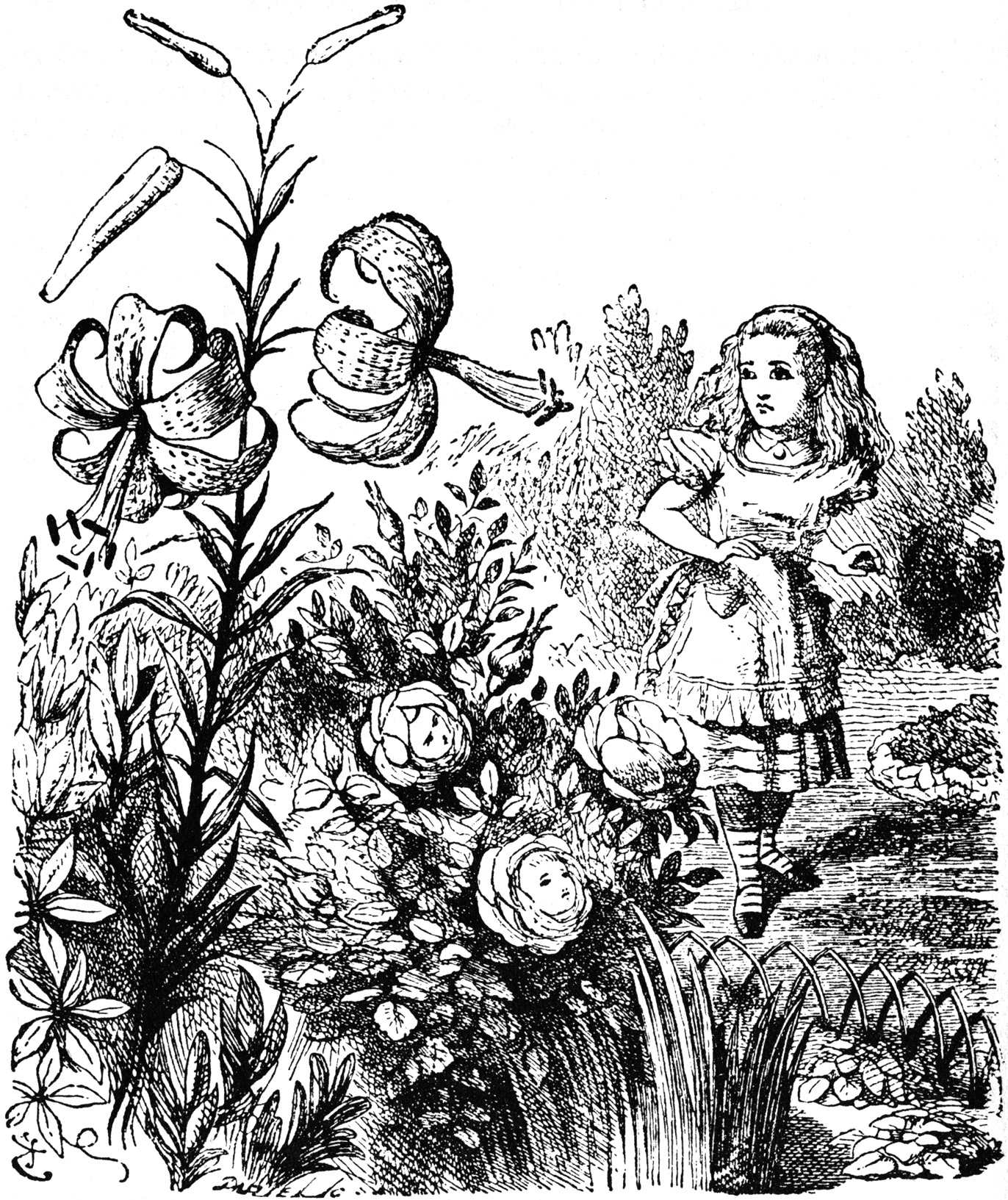
There is a passage in Alice Through the Looking Glass, where Alice walks in The garden of live flowers. In there, Alice questions why the flowers talk, and the Tiger-lily answers:
“In most gardens they make the beds too soft — so that the flowers are always asleep.”
I don’t want my website to make me fall asleep, what’s the fun in being too soft? A bit of friction is good.
Mike Caulfield2 mentions a number of benefits from this idea of continuous growth. Of all the benefits, the thing that stands out to me the most is the idea that gardens make our imperfections known to readers, and to me, those play a big part in shaping who we really are.
Putting energy into this website helps me form my identity. It’s a way for me to do it for myself, and then potentially for others by sharing it.
Thanks for coming by.
References
- Appleton, M. A Brief History & Ethos of the Digital Garden.
- Carroll, L. (1871). Through the Looking-Glass, and What Alice Found There.
- Caulfield, M. (2015). The Garden and the Stream: A Technopastoral.
- Schwulst, L. My website is a shifting house next to a river of knowledge. What could yours be?
Footnotes
-
This framing comes from Maggie Appleton’s A Brief History & Ethos of the Digital Garden. As she puts it: “Gardens are never finished, they’re constantly growing, evolving, and changing. Just like a real soil, carrot, and cabbage garden.” On a garden, there is no final version. What you publish is always open to revision and expansion. ↩
-
Caulfield’s 2015 essay The Garden and the Stream: A Technopastoral is where the digital-garden idea takes shape. The stream is the timeline: tweets, feeds, the churn of now. The garden is where ideas grow slowly and get revisited. ↩